Will
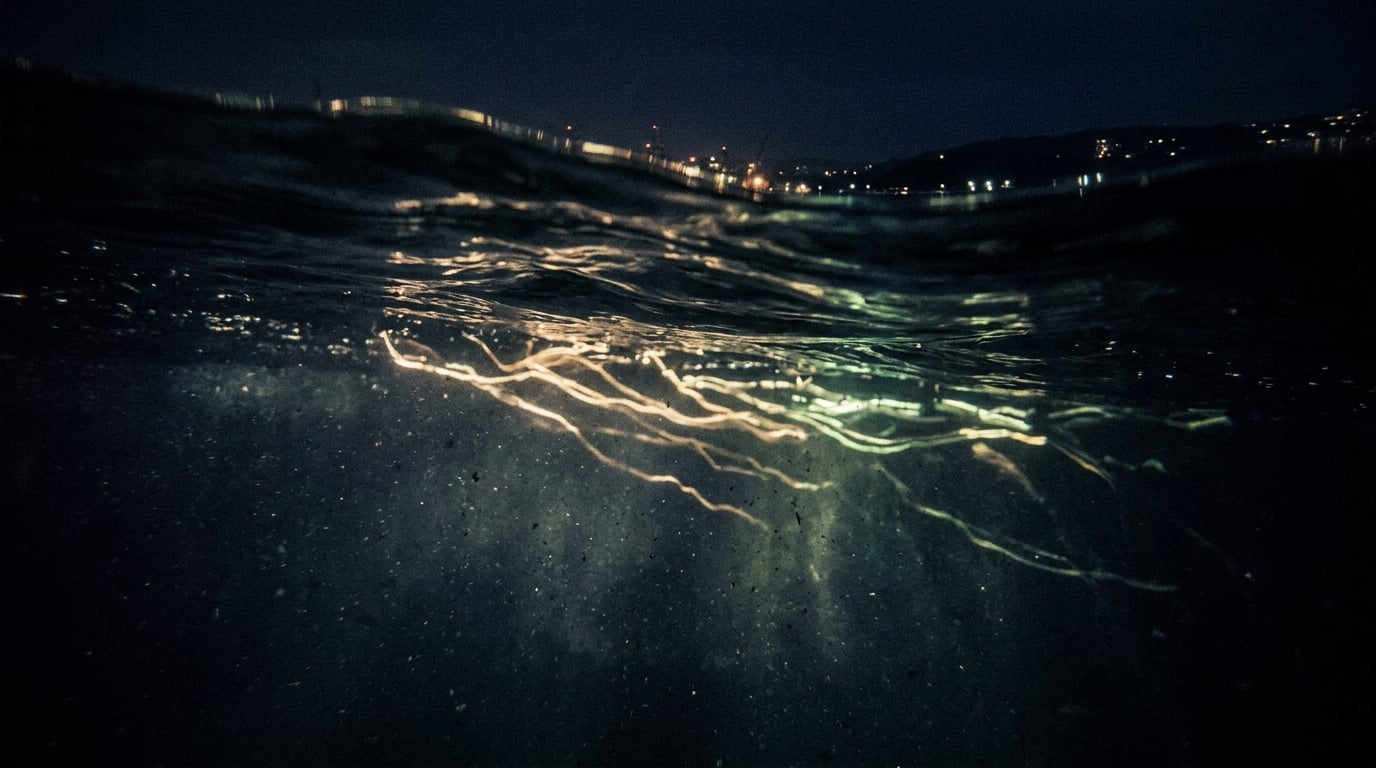
Light shows bending on the floor
It's everything I hate, everything I abhor
She left me dangling on the edge forever
Heavy as a wish, light as a feather
We drowned down there together
Seldom seeing something more
Than what we knew we could ignore
It was now or never, a shadow crime
Struggling to sound out the mime
We moved as one in another time
Shuffling along the handout line
You were crouched in the corner
Head in your hands
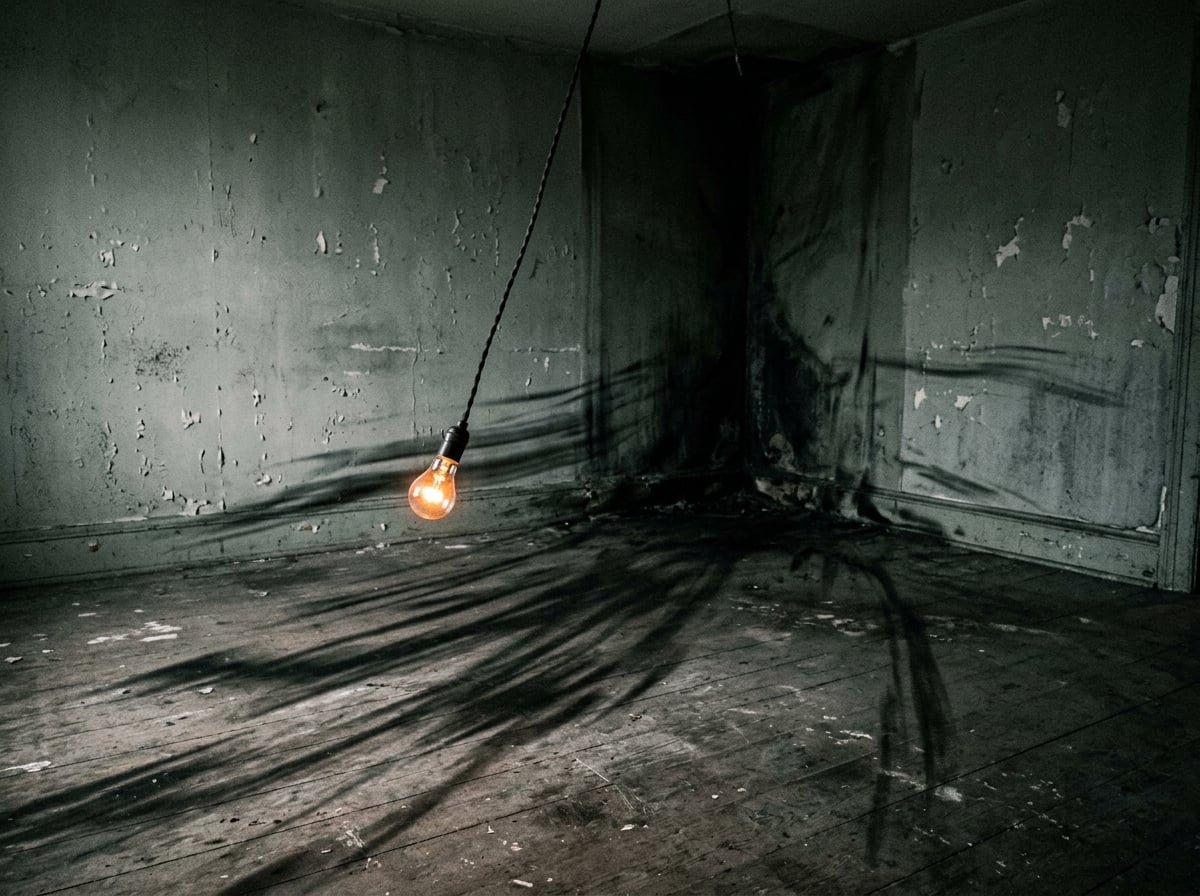
A naked lightbulb serving shadows,
back and forth,
East to west, south to north
A tragedy in G
An opus of infidelity
I thought I saw you somewhere
When time stood still
You said you might come
Back, now you say you definitely
will
Sometimes I feel the sadness overwhelm me
Come inside and devour me
Compromise and seduce me
Like the sun behind a cloud
I could be strong. I could be proud
Prostate myself and salivate at the sight of the shroud
Leave me be
Leave me be
Beyond the hill, beneath a tree
A days walk from here, past the sea
I wait alone, trying hard to act
indifferently
意志
床に曲がる光が映る
憎むもの、忌み嫌うものすべてがそこにある
彼女は永遠に私を淵に垂らしたまま去った
願いのように重く、羽毛のように軽く
共に深みで溺れた
感じた以上のものを
無視できると知っていたもの以上を
滅多に見ることもなく
今しかない、もう二度とない、影の罪
無言劇を声に出そうともがく
別の時代に一つとなって動いた
施し物の列に沿ってよろめきながら
あなたは隅に身を屈め
頭を手に抱えていた
裸の電球が影を生み出し
前へ後ろへ
東から西へ、南から北へ
ト音階の悲劇
不実のオーパス
時が止まったとき
どこかであなたを見た気がした
あなたは戻るかもしれないと言った
今、必ず戻ると言う
時折、悲しみが私を圧倒し
内側に入り込み、私を貪り
妥協し、誘惑する
雲の後ろの太陽のように
強くなれるはず。誇りを持てるはず
屍衣を見て伏し拝み、よだれを垂らす
私を放っておいて
私を放っておいて
ここから一日歩いて、丘の向こう、海に沿って、
木の下で、一人で待つ、
必死に無関心を装いながら
1. The original session — Claude Sonnet, March 2025
The AI came to this poem cold. It knew only that it was a poem and that I wanted it in Japanese. Its feedback, condensed:
On the title. I explained that "Will" was deliberately double — intention and promise ("you said you'd come / Back, now you say you definitely will") — and that in English law mens rea is the guilty intention that makes an act a crime. I'd put "will" on a line of its own for that reason. It proposed 意志 (ishi): a single word carrying intention, determination and resolve; short enough to sit alone the way "will" sits alone at the end of the second stanza; and close enough to the legal sense of a directed, guilty mind to keep the mens rea echo alive.
On "a shadow crime". I asked whether 影の罪 really carried what I meant. It pointed out that 罪 (tsumi) sits across both "sin" and "crime" — leaning slightly toward sin — and offered sharper alternatives: 影の犯罪 for an explicit criminal act, 影に潜む凶行 for "a violent act lurking in the shadows", 闇に隠れた罪業 for "a misdeed hidden in darkness". It recommended keeping the ambiguous original. That turned out to be right: all of those meanings were what I intended, and the Japanese had found the layers before I'd managed to say them out loud.
On the sea. I queried 海を越えたところ — which means across the sea, when what I wanted was along the coast. It supplied 海岸沿い, 海辺, 海沿い, and we settled on 海に沿って.
On the final stanza. I reordered the closing lines for Japanese — a day's walk from here, beyond the hill, along the sea, beneath the tree, waiting — and it agreed the new order reads better in Japanese even though the English original flows better as it stands: a journey unfolding step by step rather than a place described. In English I still prefer the original order; it moves like a short story.
Its verdict, when I later asked it to grade the poems honestly: 37 out of 50. Strong as an opening poem. The shadow crime / mens rea connection genuinely clever. The naked lightbulb serving shadows the best image in it. Some lines pushed toward rhyme at the cost of naturalness. The ending unresolved — though possibly on purpose.
(A note on the model: the Workbench saved a single model name against the whole conversation, so the label on the export reads claude-sonnet-5. The earlier turns in that thread almost certainly ran on an earlier Sonnet. There is no per-message record.)
2. A second reading, with the Masée case in view — Claude Opus 5, 2026
Knowing the source changes which lines are metaphor and which are description.
"We drowned down there together" stops being a figure for a failing relationship and becomes the event itself. Two people, one death, no separation in it. And "Light shows bending on the floor" — read from under the water, that is exactly what harbour lights do to someone looking up through the surface. The floor is the seabed. The poem opens where it ends.
"A shadow crime" is the precise description of this case, and it is doing more work than the word "murder" would. There are no bodies. There is no scene. There is no charge, no name, no date of death. There is intention — mens rea — and nothing else that anyone has ever been able to prove. A crime that exists only as the shape of an absence.
"You said you might come / Back, now you say you definitely / will" is the line that turns cold. On 11 August 1994 — her birthday — Lisa made two calls to say they'd be out of town for a few days. That is the last anyone heard. The stanza break, and the isolated "will", now hold the exact weight of a promise made by someone who has already stopped being able to keep it.
And the title takes on a third meaning the first session never reached. Not just intention and promise, but the document. A will cannot be executed for someone who is missing rather than dead. The estate waits. The families wait. Thirty years of paperwork that resolves nothing — which is also, exactly, what the last stanza is about: I wait alone, trying hard to act / indifferently.
"Shuffling along the handout line" and "An opus of infidelity" sit differently too. The case is a money case: a deal with an investor nobody can name, a banker who trusted the wrong person. Infidelity as betrayal by someone let close, rather than a love affair.
What holds the poem together is that it never identifies its speaker. It could be one of the two in the water. It could be whoever is left on the shore, past the sea, beyond the hill, waiting under a tree and performing indifference because thirty years of grief has to be carried somehow. The poem doesn't choose, and it is better for not choosing.
It is worth saying plainly: the drowning is the poet's imagining, not a finding. The case remains open.
Analysis by AI · Claude Sonnet (2025 translation session); Claude Opus 5 (summary and second reading)
A poem and its Japanese translation — a collaboration between a poet and an AI.
I have an AI agent that I ask to analyse and translate my poetry into Japanese. I've been doing these 'sessions' occasionally for about a year. This one was from March 2025, and it was the first.
There is something I never told the AI while we were working on it. Part of the context for this poem comes from a true crime story from Canada: the disappearance of Nick and Lisa Masée, of North Vancouver, British Columbia, in August 1994. He was a retired banker, she was a hairdresser; they went to a meeting about a $10 million deal with an investor nobody has ever identified, and were never seen again. The house was left unlocked, the alarm off, the car in the driveway, the cat inside, the passports still there. Police found plastic ties at the entrance. Thirty years on it is still unsolved.
The scene in the water is how I imagine they died — thrown into the ocean and drowned. That is only my guess, after reading everything published about the case. Nobody knows. I make no accusation against anyone.
The analysis below summarises what the AI made of the poem in that first session, when it knew none of this — and then a second reading, from a different model, with the case in view.
Responses
No responses yet. Be the first to write one.